In Simulated Work Experience, I was mainly responsible for background design. My tasks included researching visual references, creating mood boards, developing initial concept designs, and producing background designs for each shot.
Research
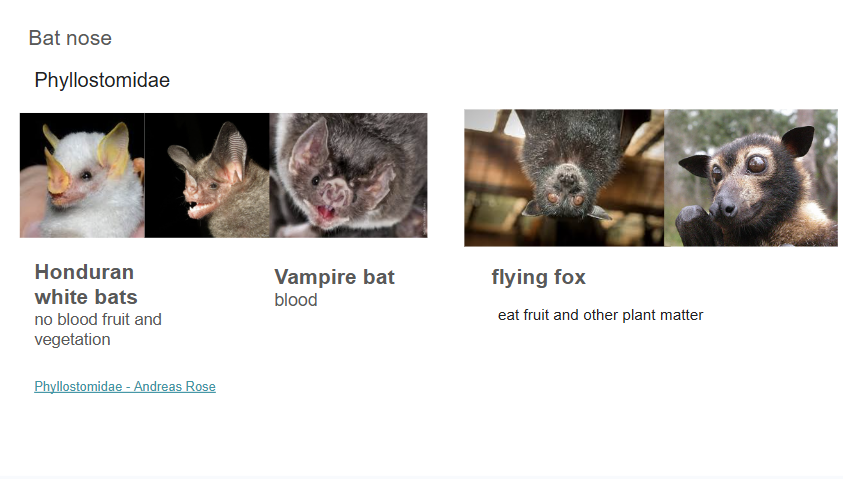
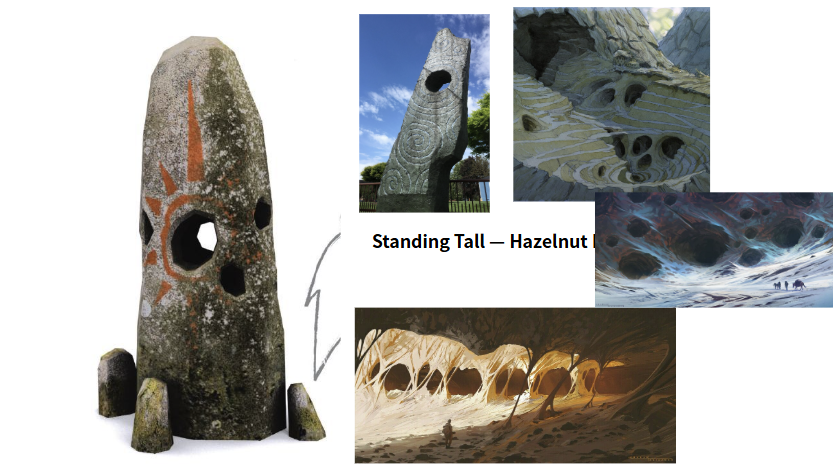
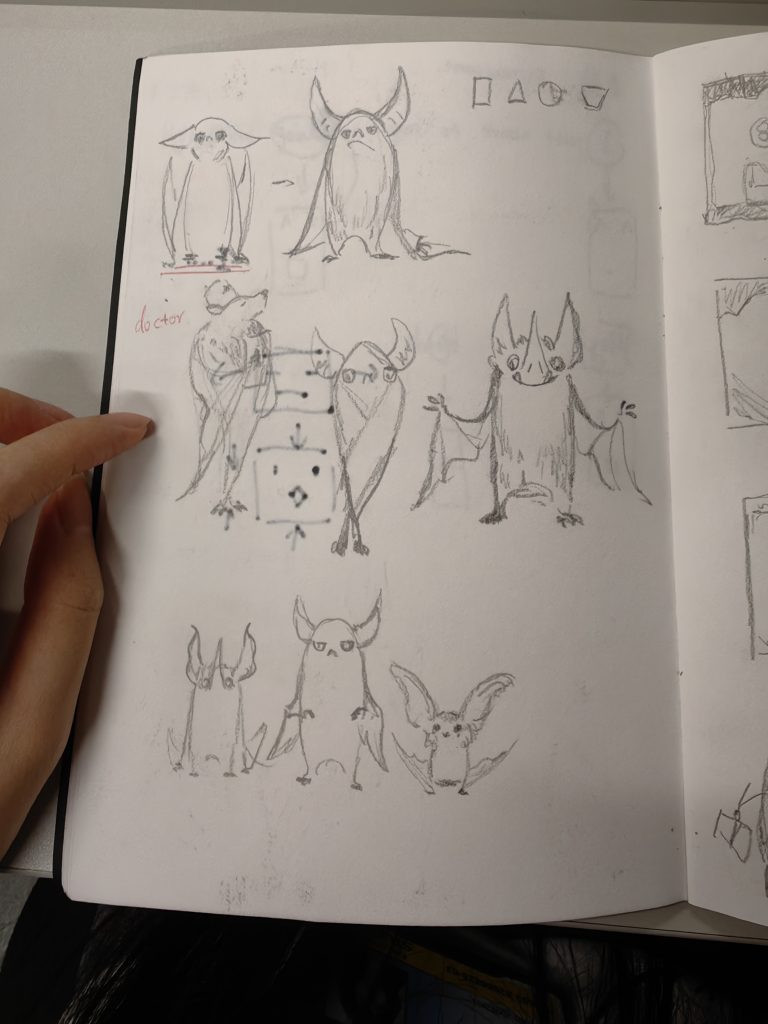
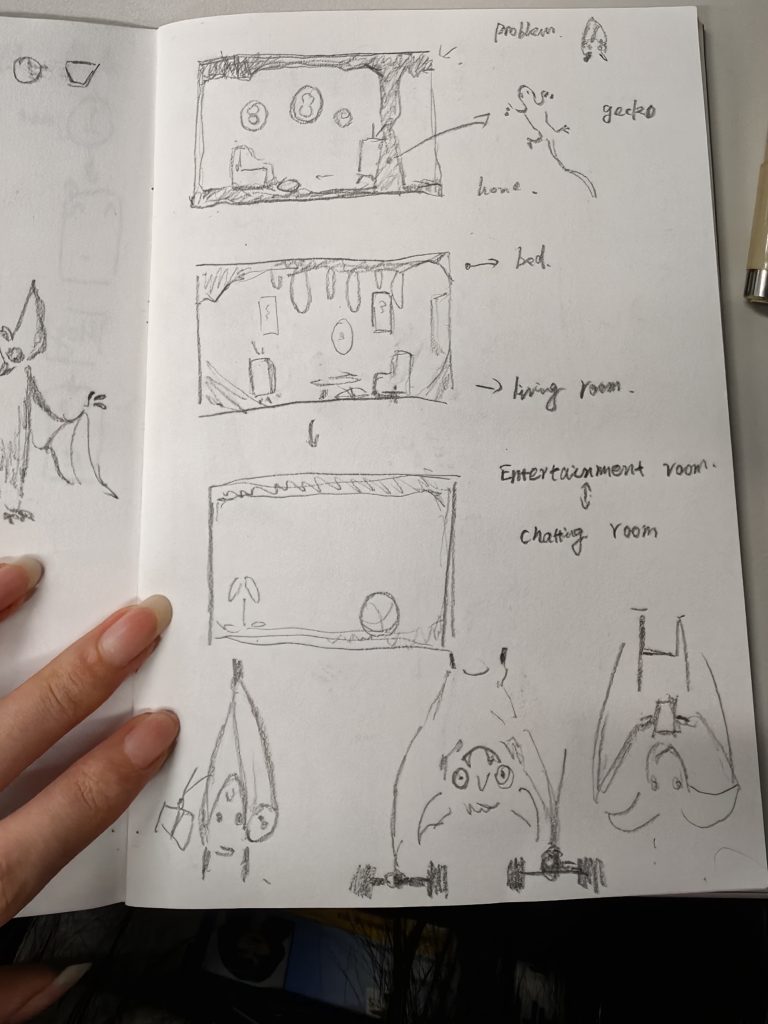
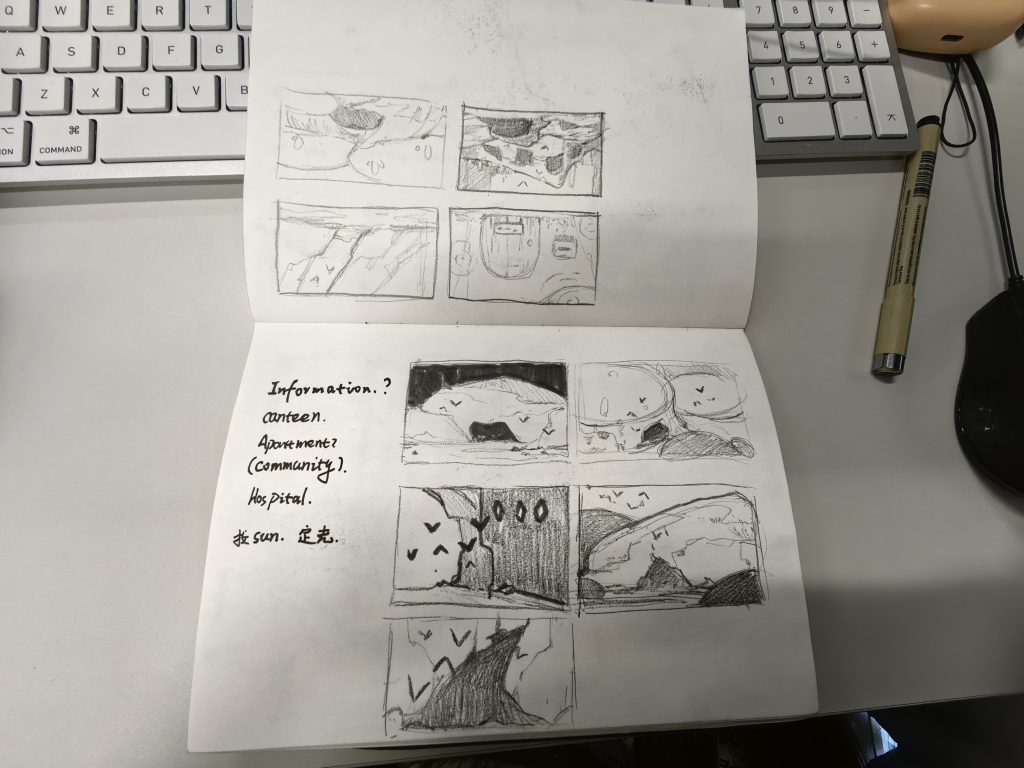
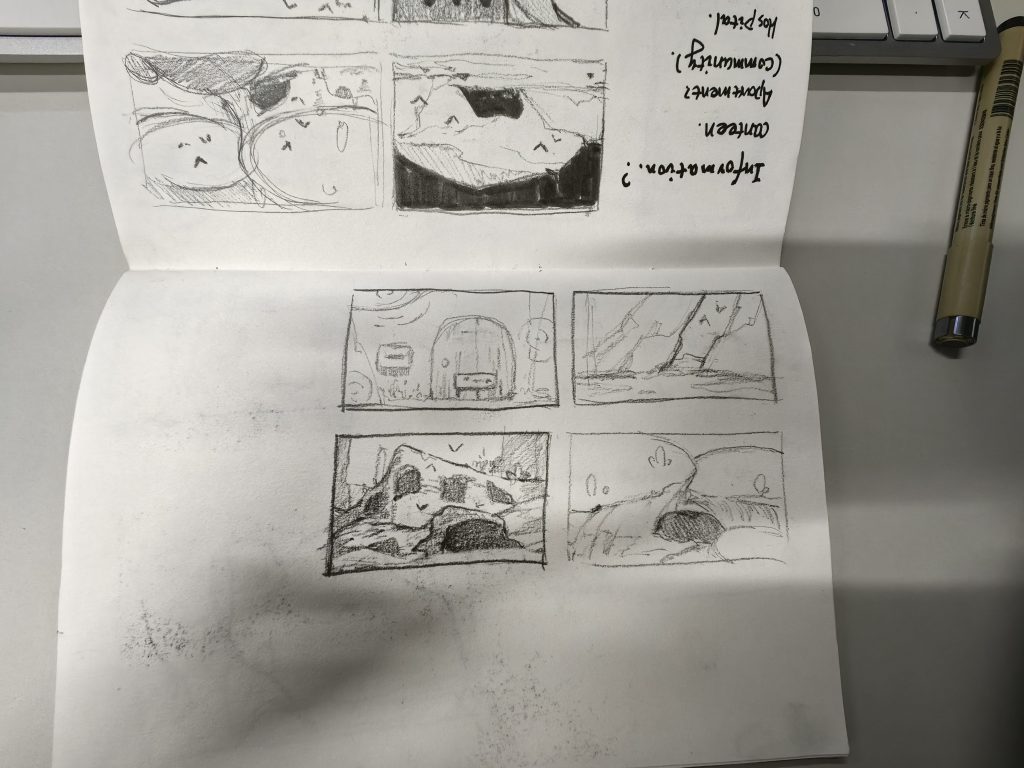
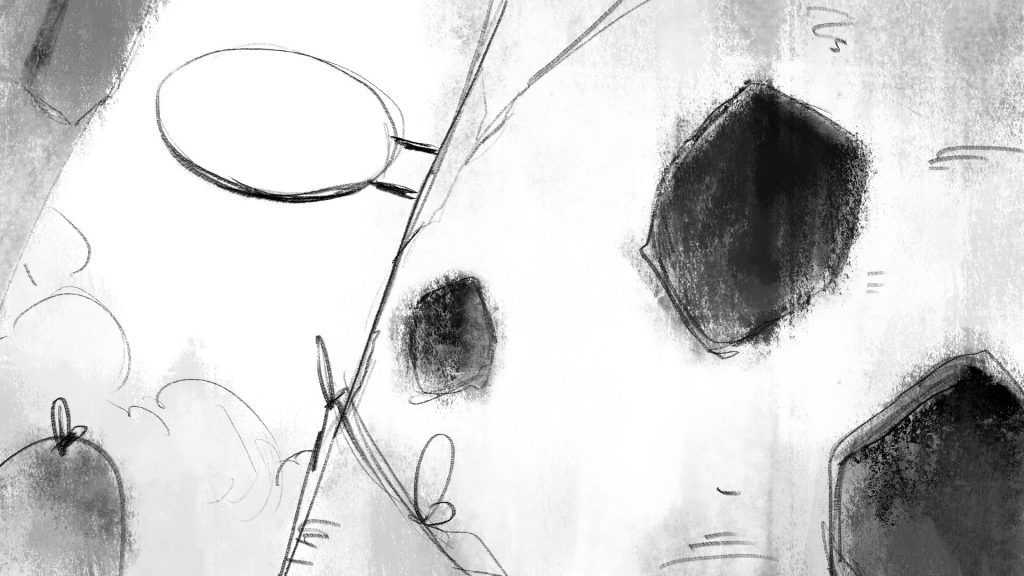
At the beginning of the project, I reviewed the project materials to understand the theme and narrative of the animation. Based on my understanding of the animatic, I researched this theme (Picture 1.) and drew some rough sketches in advance. (Picture 2.). These early sketches were prepared for our first group discussion so that we could start developing ideas and move into production more efficiently.
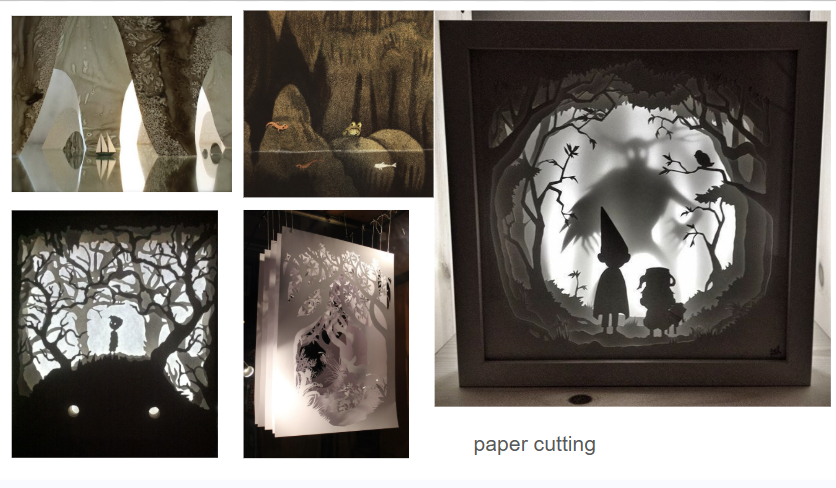
During the discussion, my teammate proposed creating the animation in a black-and-white visual style, which is also an interesting challenge for me. Compared with color backgrounds, I believe the black and white style needs to focus on the relationship between lines, shapes, and composition.
Therefore, in my second research I found the Chinese artist Gui Yuan (Picture 3).I was inspired by the strong sense of movement in his lines and the way he uses black-and-white shapes to create dynamic compositions. His work helped me think about how the visual style of the background could be developed, especially in terms of light and shadow.


Background moodboard: https://pin.it/7AEQ7zucO
Development and Collaboration
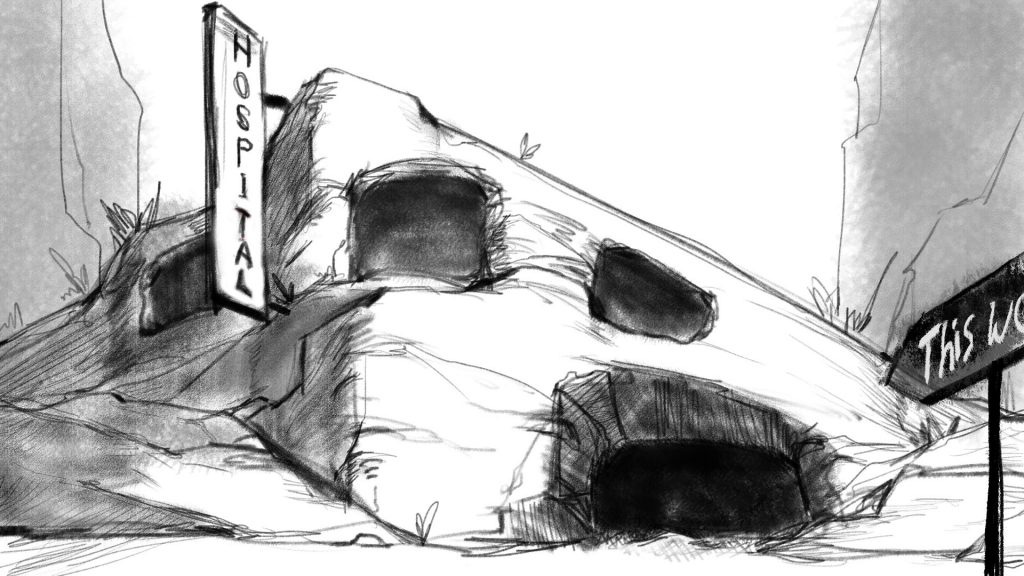
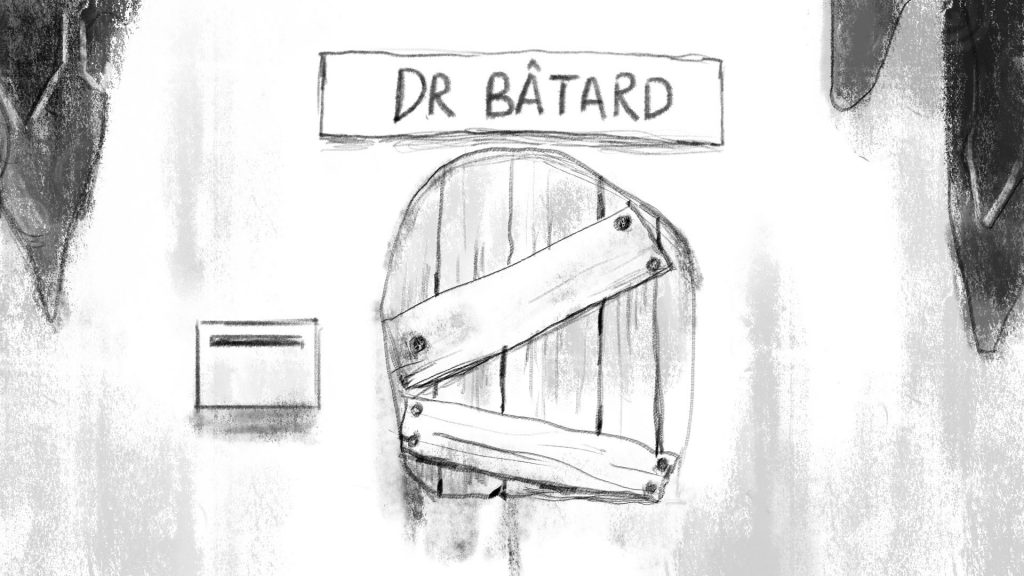
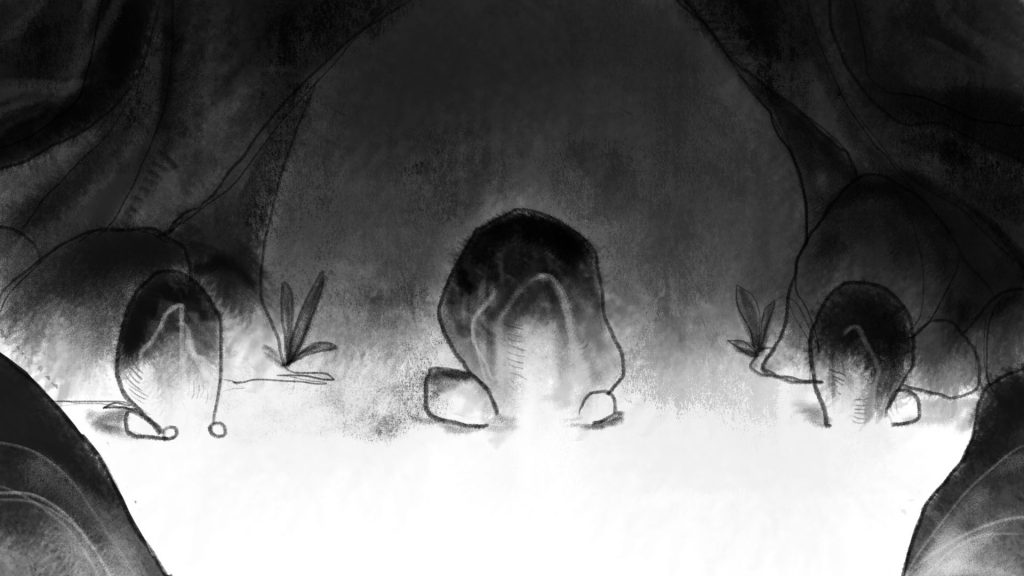
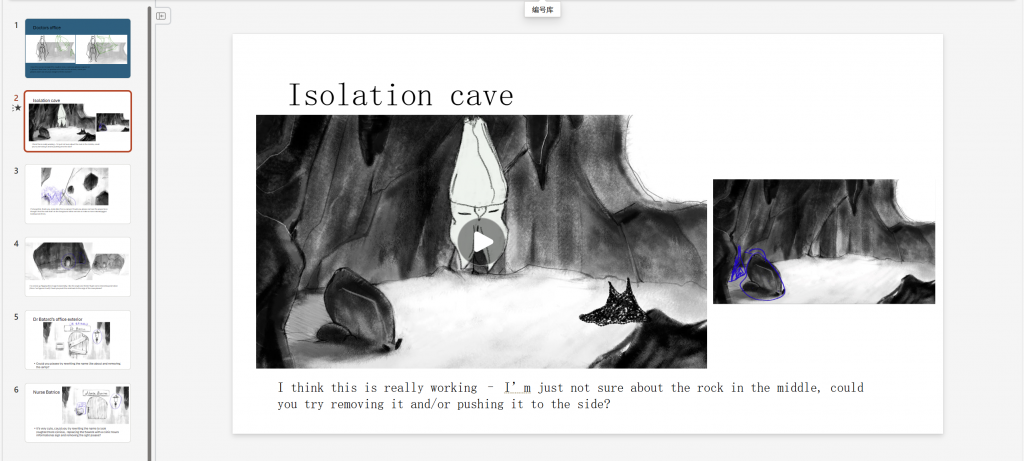
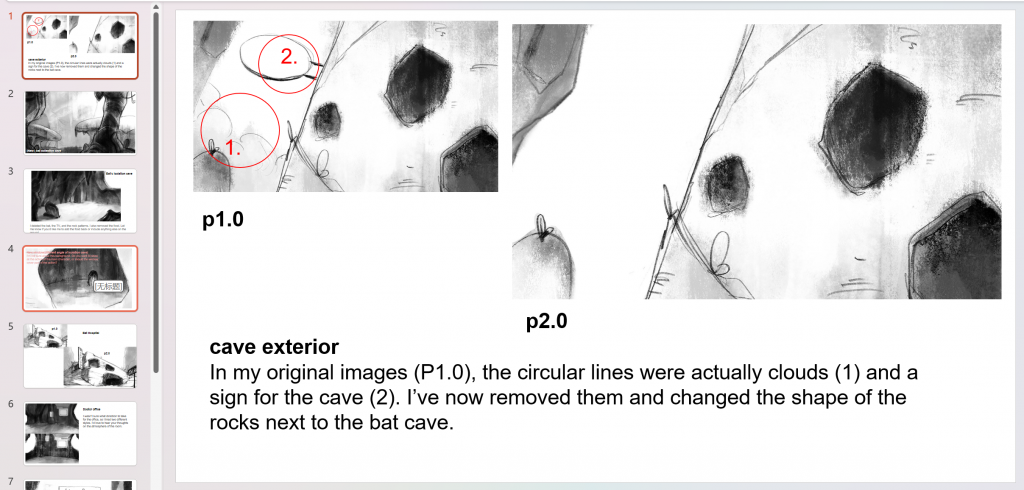
During the development stage, I began producing concept art and background designs and shared them with my teammate (Picture 4. & Picture 5.). I adjusted the designs based on the feedback I received to ensure that the background design fit the expectations of my teammate’s project.
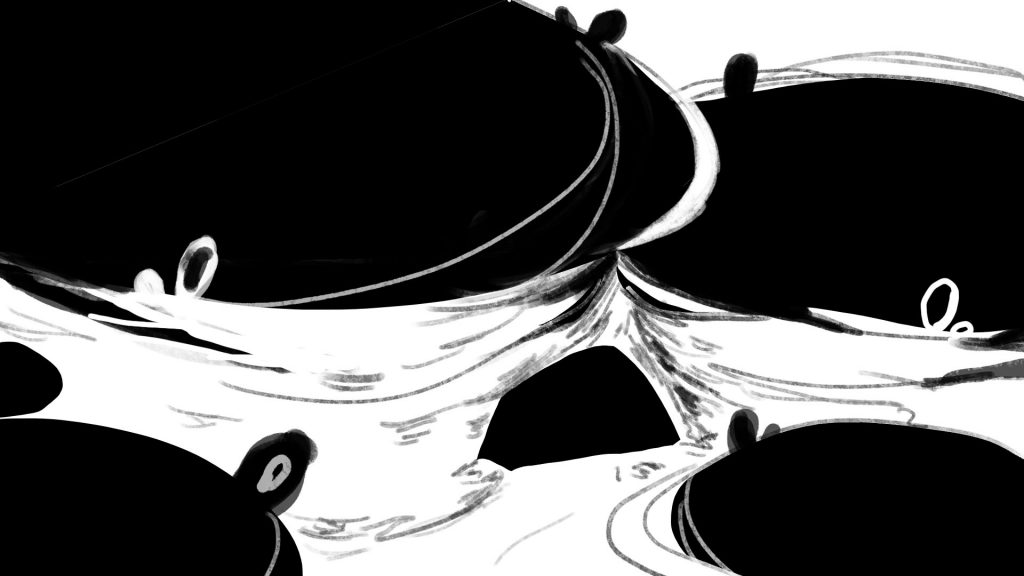
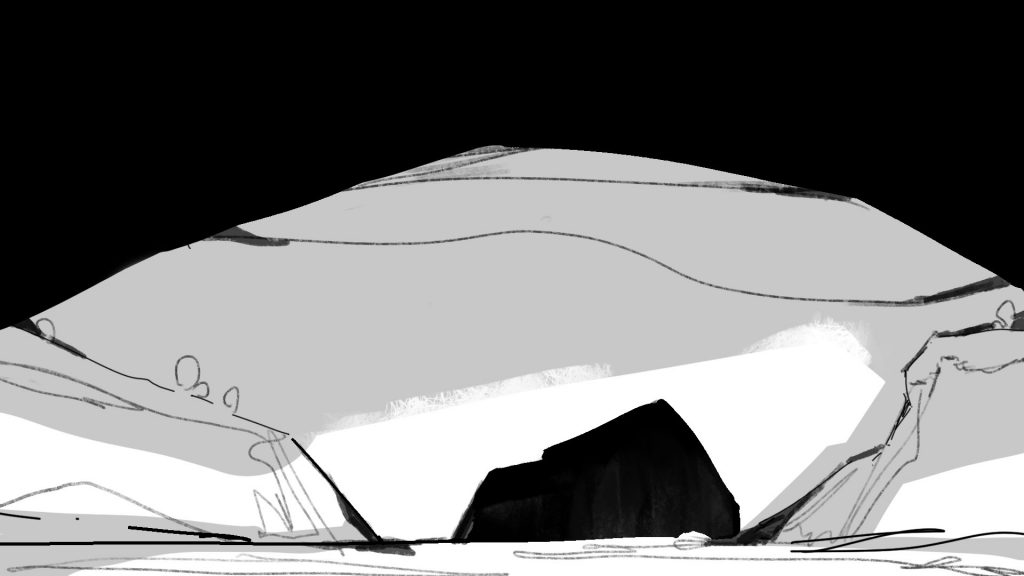
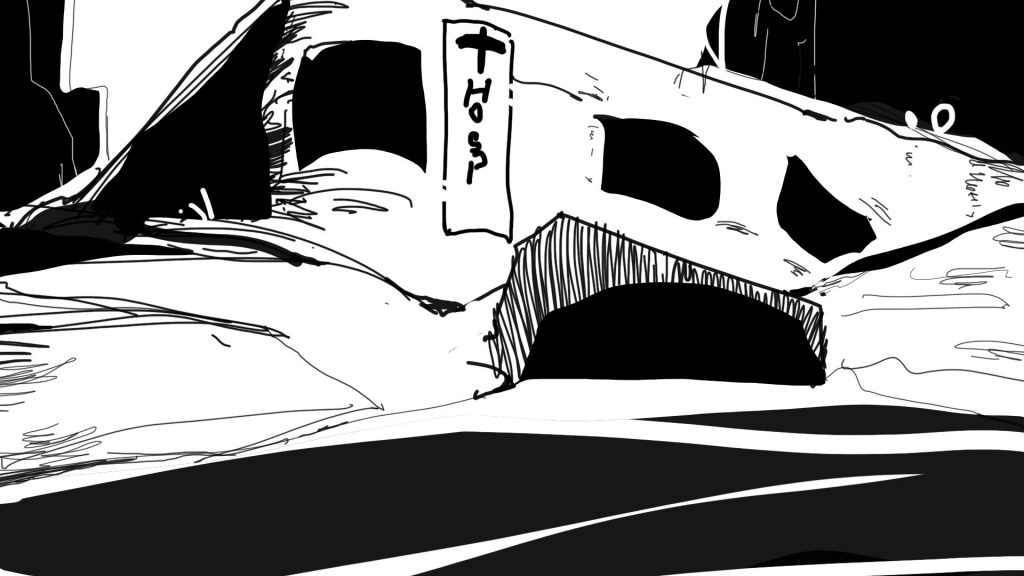
The first challenge I met was how much visual information should be included in the background design. In the early design, I feel that the background looked quite simple and boring. I just described the mountain’s shape. (Picture 4. & Picture 5.) So, in my opinion, I hoped that the background could show more narrative information. Meanwhile, in the layout lesson, I learned that the background is like a stage, which can provide information to the audience.
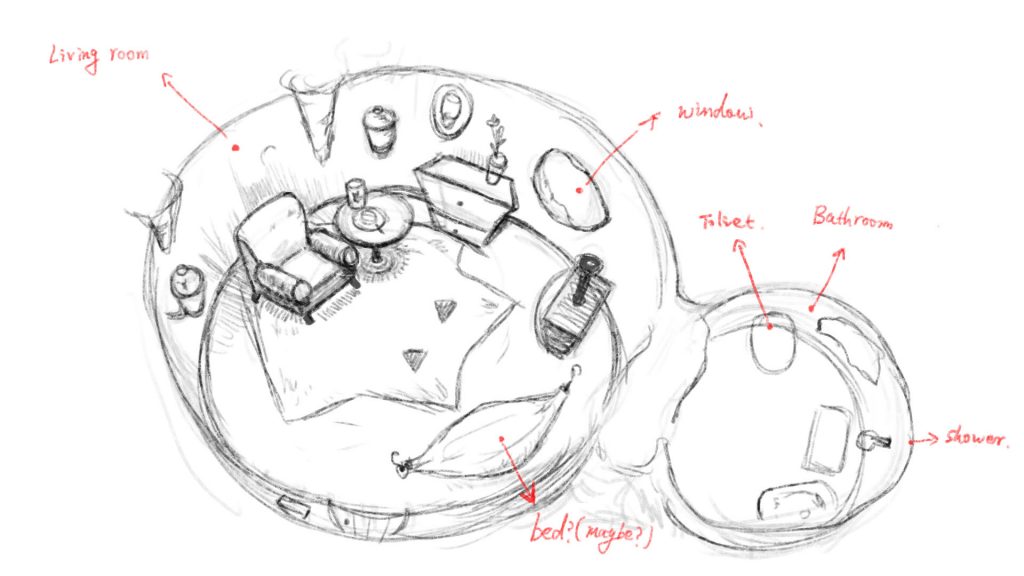
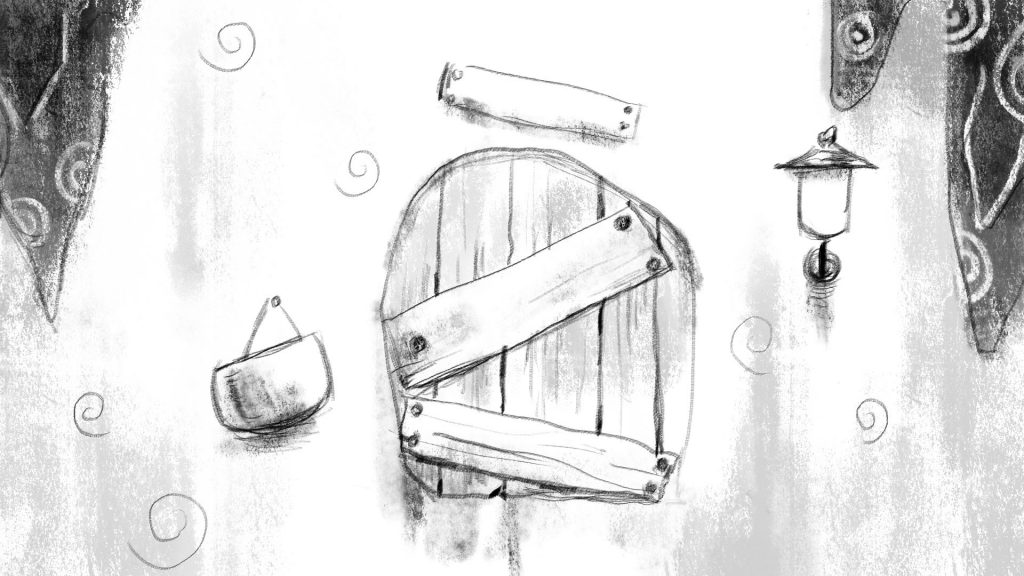
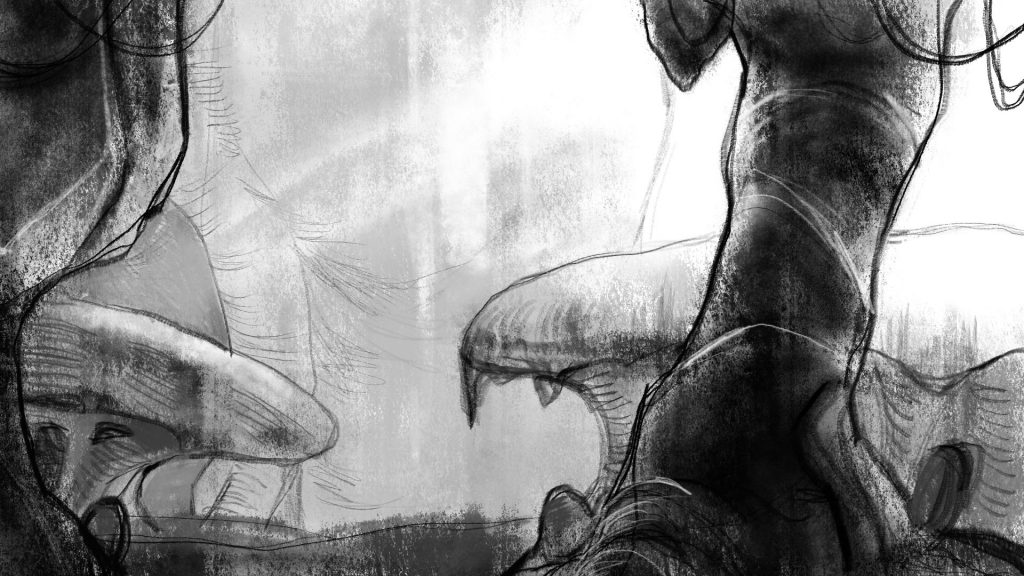
Therefore, during the development, I added items and patterns related to the narrative,and I hope to make the background more interesting and enrich the engaging visual experience (Picture 7.).
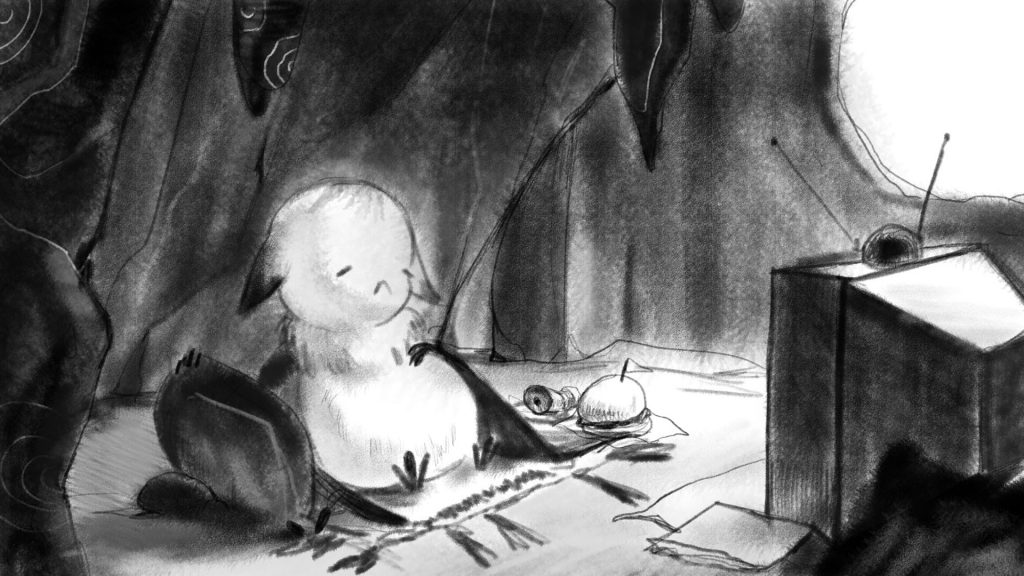
However, my teammate just simplified these details because she hoped the audience could focus on the character. This discussion helped me reflect on how to balance the relationship between environmental storytelling and character focus, especially within a black-and-white visual style.
Reflection and Learning
Another challenge during the project was that we didn’t have a lot of information about the character design and background design. So sometimes the background design did not fully match my teammates’ expectations, which means some designs had to be adjusted.
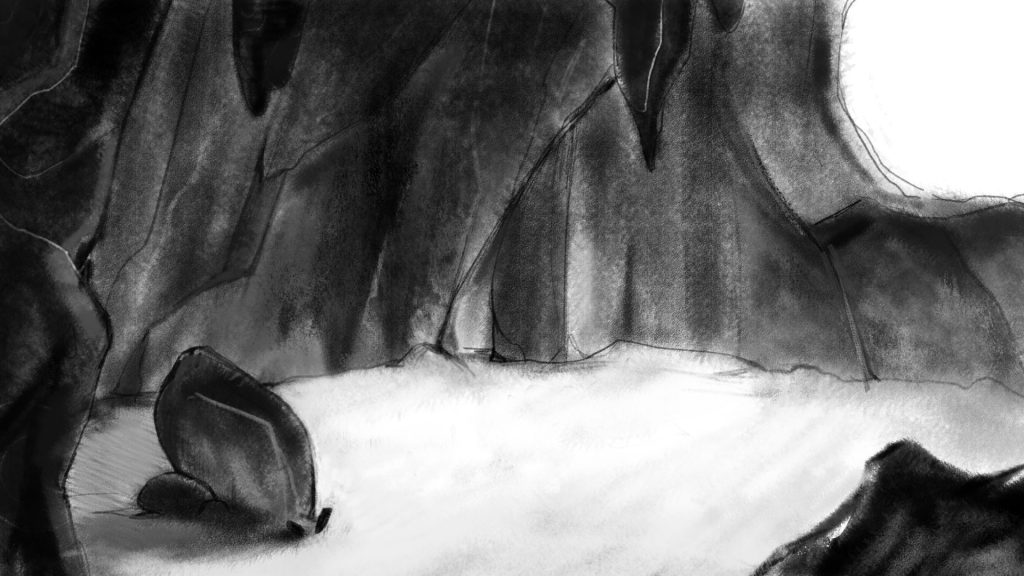
During the process, I started to realize that there are a few descriptions about the emotion of the background. For example, the bat collective cave should have a warm and comfortable atmosphere. (Picture 11.) Also learned from the storytelling workshop. Based on the characters’ personalities, I can develop the background design or the story, so looking back, I realized that I did not confirm the characters’ personalities first, which influenced my background design process.
Overall, this collaboration was interesting and challenging for me, especially as an exploration of a new visual style. I have some experience with collaborative animation. I noticed that there are still some connection problems between the character design and the background design.
However, I think this is a really valuable experience for me. In future collaborations, if I work as a director, I can pay more attention to balancing the relationship between character design and background design. If I work as a background designer or character designer, I will have a better understanding on how to communicate with the other parts. This will help ensure that visual elements support each other and that the storytelling develops smoothly.
Leave a Reply